
Styllo - Agentic Wardrobe Assistant
As part of USC's MSIDBT Fashion & Technology Practicum, I explored how emerging AI technology could transform fashion commerce. Styllo is an agentic personal styling platform that understands your wardrobe, calendar, lifestyle, and personal style to proactively decide what you should wear.
Instead of optimizing for purchases, it maximizes wardrobe utility, encouraging outfit reuse, rentals, secondhand shopping, and only recommending purchases when they genuinely improve your wardrobe.
Impact
Timeline
2026
Role
Product Designer & Strategist

01
PROJECT OVERVIEW
Existing fashion technology isn't designed to help people wear their clothes. It's designed to to have them buy more.
Consumers have endless inspiration through Pinterest, TikTok and Instagram, yet millions still describe having nothing to wear. Meanwhile,
closets continue growing
clothing costs continue rising
trend cycles accelerate
return rates remain high
AI shopping assistants simply encourage more consumption
Current fashion technology optimizes for one thing:
Buying more.
The problem isn't that people lack clothing.
The problem is that they lack decision support.
Choosing an outfit requires balancing dozens of variables to consider: weather, calendar events, personal style, dress code, travel, budget, confidence, what's clean, what hasn't been worn recently
People mentally process all of this every morning.
Current AI products ignore most of it.
My Role
I led the project from concept through high-fidelity prototype, defining both the product vision and interaction model.
Responsibilities
Product strategy
Opportunity definition
UX research
Competitive analysis
AI interaction design
Information architecture
Design system
Wireframes
High-fidelity UI
Interactive prototype
Product storytelling
Incident Management - Before

01
PROJECT OVERVIEW
Existing fashion technology isn't designed to help people wear their clothes. It's designed to to have them buy more.
Consumers have endless inspiration through Pinterest, TikTok and Instagram, yet millions still describe having nothing to wear. Meanwhile,
closets continue growing
clothing costs continue rising
trend cycles accelerate
return rates remain high
AI shopping assistants simply encourage more consumption
Current fashion technology optimizes for one thing:
Buying more.
The problem isn't that people lack clothing.
The problem is that they lack decision support.
Choosing an outfit requires balancing dozens of variables to consider: weather, calendar events, personal style, dress code, travel, budget, confidence, what's clean, what hasn't been worn recently
People mentally process all of this every morning.
Current AI products ignore most of it.
My Role
I led the project from concept through high-fidelity prototype, defining both the product vision and interaction model.
Responsibilities
Product strategy
Opportunity definition
UX research
Competitive analysis
AI interaction design
Information architecture
Design system
Wireframes
High-fidelity UI
Interactive prototype
Product storytelling
Deals Page - Before

01
PROJECT OVERVIEW
Existing fashion technology isn't designed to help people wear their clothes. It's designed to to have them buy more.
Consumers have endless inspiration through Pinterest, TikTok and Instagram, yet millions still describe having nothing to wear. Meanwhile,
closets continue growing
clothing costs continue rising
trend cycles accelerate
return rates remain high
AI shopping assistants simply encourage more consumption
Current fashion technology optimizes for one thing:
Buying more.
The problem isn't that people lack clothing.
The problem is that they lack decision support.
Choosing an outfit requires balancing dozens of variables to consider: weather, calendar events, personal style, dress code, travel, budget, confidence, what's clean, what hasn't been worn recently
People mentally process all of this every morning.
Current AI products ignore most of it.
My Role
I led the project from concept through high-fidelity prototype, defining both the product vision and interaction model.
Responsibilities
Product strategy
Opportunity definition
UX research
Competitive analysis
AI interaction design
Information architecture
Design system
Wireframes
High-fidelity UI
Interactive prototype
Product storytelling
Deals Page - Before
01
PROJECT OVERVIEW
Existing fashion technology isn't designed to help people wear their clothes. It's designed to to have them buy more.
Consumers have endless inspiration through Pinterest, TikTok and Instagram, yet millions still describe having nothing to wear. Meanwhile,
closets continue growing
clothing costs continue rising
trend cycles accelerate
return rates remain high
AI shopping assistants simply encourage more consumption
Current fashion technology optimizes for one thing:
Buying more.
The problem isn't that people lack clothing.
The problem is that they lack decision support.
Choosing an outfit requires balancing dozens of variables to consider: weather, calendar events, personal style, dress code, travel, budget, confidence, what's clean, what hasn't been worn recently
People mentally process all of this every morning.
Current AI products ignore most of it.
My Role
I led the project from concept through high-fidelity prototype, defining both the product vision and interaction model.
Responsibilities
Product strategy
Opportunity definition
UX research
Competitive analysis
AI interaction design
Information architecture
Design system
Wireframes
High-fidelity UI
Interactive prototype
Product storytelling
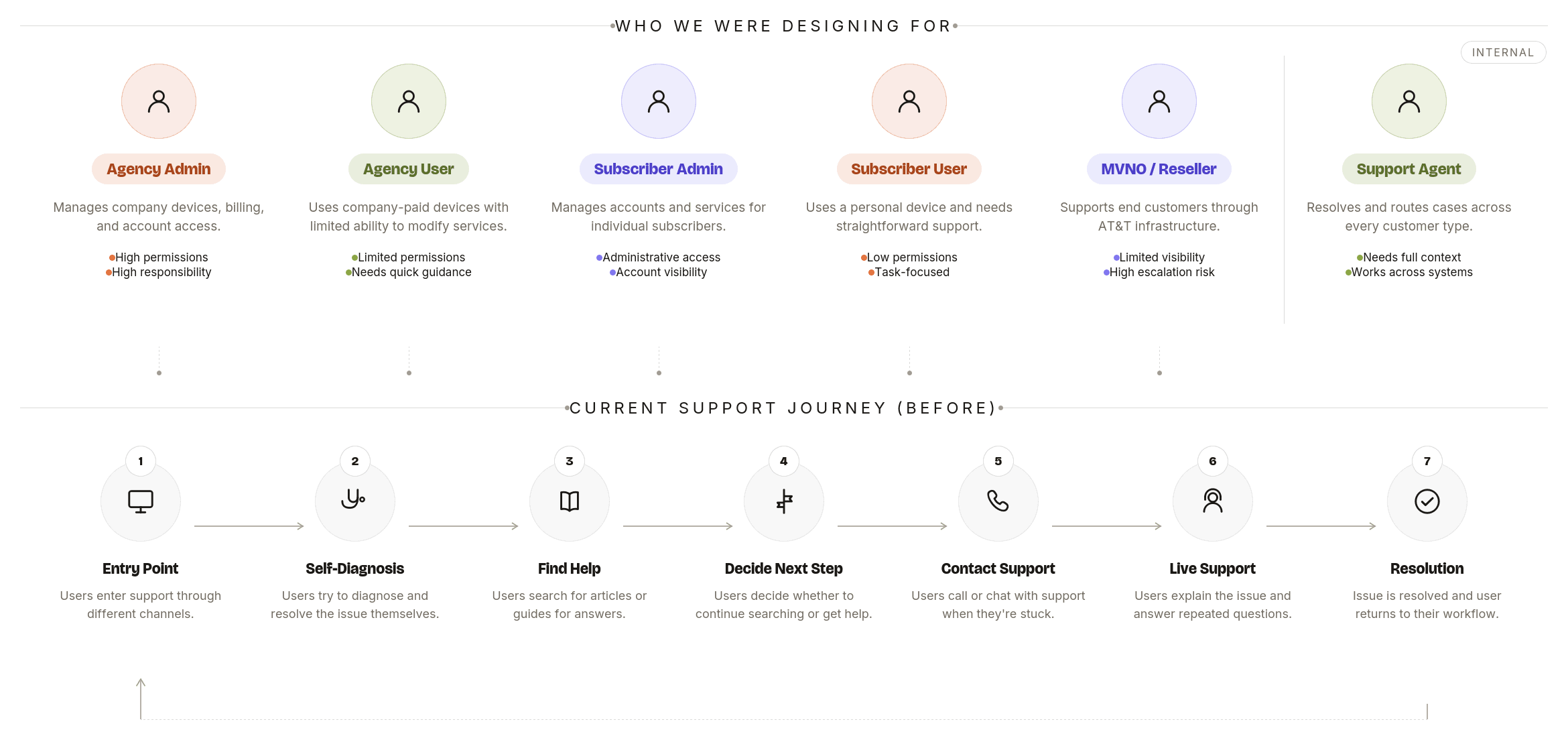
Incident Management - Before
02
APPROACH & USER RESEARCH
Starting with a hypothesis
I began with a simple assumption:
People don't actually need more clothing. They need help making better decisions with the clothing they already own.
Rather than validating whether people wanted another shopping app, I wanted to understand how they actually made wardrobe decisions throughout their week.
CLEANUP
Research & Discovery
To better understand how younger millennials and Gen Z consumers approach style, shopping, and AI, I conducted exploratory interviews with USC students and young professionals in Los Angeles.
While participants were curious about AI-powered styling, many expressed skepticism. They worried AI would feel generic, overly prescriptive, or diminish their individuality.
At the same time, several themes consistently emerged:
trend cycles move faster than ever
clothing is more expensive
closets are full, yet getting dressed remains difficult
social platforms create constant pressure to reinvent personal style
Sustainability wasn't enough motivation.
Nearly everyone wanted to consume less.
Very few were willing to sacrifice convenience.
The opportunity became making sustainable behavior the easiest behavior.
—-
One insight emerged consistently:
Consumers don't want AI to replace taste. They want AI to reduce uncertainty.
Participants were most excited by AI systems that could:
help them style what they already own
understand their evolving tastes
provide context-aware recommendations
act as collaborators rather than authorities
Interestingly, many described their style through aesthetics, internet trends, and cultural frameworks rather than traditional fashion categories. References ranged from "clean girl" and "Scandinavian minimalist" to "Venus sign dressing" and "cool girl at the gallery."
This revealed an opportunity to design for identity exploration, not just product discovery.
Then immediately go into:
Key Research Insights
Shopping has become emotionally exhausting
Consumers feel overwhelmed by choice, trend cycles, and disconnected purchases.
Style is increasingly tied to identity
Users describe themselves through aesthetics, moods, creators, and cultural references rather than fashion categories.
AI should guide, not dictate
Users wanted a collaborative partner that helps them make decisions, not an algorithm that makes decisions for them.

02
APPROACH & USER RESEARCH
Starting with a hypothesis
I began with a simple assumption:
People don't actually need more clothing. They need help making better decisions with the clothing they already own.
Rather than validating whether people wanted another shopping app, I wanted to understand how they actually made wardrobe decisions throughout their week.
Heuristic Evaluations
CLEANUP
Research & Discovery
To better understand how younger millennials and Gen Z consumers approach style, shopping, and AI, I conducted exploratory interviews with USC students and young professionals in Los Angeles.
While participants were curious about AI-powered styling, many expressed skepticism. They worried AI would feel generic, overly prescriptive, or diminish their individuality.
At the same time, several themes consistently emerged:
trend cycles move faster than ever
clothing is more expensive
closets are full, yet getting dressed remains difficult
social platforms create constant pressure to reinvent personal style
Sustainability wasn't enough motivation.
Nearly everyone wanted to consume less.
Very few were willing to sacrifice convenience.
The opportunity became making sustainable behavior the easiest behavior.
—-
One insight emerged consistently:
Consumers don't want AI to replace taste. They want AI to reduce uncertainty.
Participants were most excited by AI systems that could:
help them style what they already own
understand their evolving tastes
provide context-aware recommendations
act as collaborators rather than authorities
Interestingly, many described their style through aesthetics, internet trends, and cultural frameworks rather than traditional fashion categories. References ranged from "clean girl" and "Scandinavian minimalist" to "Venus sign dressing" and "cool girl at the gallery."
This revealed an opportunity to design for identity exploration, not just product discovery.
Then immediately go into:
Key Research Insights
Shopping has become emotionally exhausting
Consumers feel overwhelmed by choice, trend cycles, and disconnected purchases.
Style is increasingly tied to identity
Users describe themselves through aesthetics, moods, creators, and cultural references rather than fashion categories.
AI should guide, not dictate
Users wanted a collaborative partner that helps them make decisions, not an algorithm that makes decisions for them.
Usability Studies
CRO & Behavioral Analytics
Everything competes equally for attention.
Pricing lacks hierarchy; no anchor for value comparison
Promotions blended together visually
Deals Page


What’s included?
How does this deal compare to others?
Deal Builder

Comparing deals required memory
Users had to open each builder to understand what’s included
02
APPROACH & USER RESEARCH
Starting with a hypothesis
I began with a simple assumption:
People don't actually need more clothing. They need help making better decisions with the clothing they already own.
Rather than validating whether people wanted another shopping app, I wanted to understand how they actually made wardrobe decisions throughout their week.
Heuristic Evaluations
CLEANUP
Research & Discovery
To better understand how younger millennials and Gen Z consumers approach style, shopping, and AI, I conducted exploratory interviews with USC students and young professionals in Los Angeles.
While participants were curious about AI-powered styling, many expressed skepticism. They worried AI would feel generic, overly prescriptive, or diminish their individuality.
At the same time, several themes consistently emerged:
trend cycles move faster than ever
clothing is more expensive
closets are full, yet getting dressed remains difficult
social platforms create constant pressure to reinvent personal style
Sustainability wasn't enough motivation.
Nearly everyone wanted to consume less.
Very few were willing to sacrifice convenience.
The opportunity became making sustainable behavior the easiest behavior.
—-
One insight emerged consistently:
Consumers don't want AI to replace taste. They want AI to reduce uncertainty.
Participants were most excited by AI systems that could:
help them style what they already own
understand their evolving tastes
provide context-aware recommendations
act as collaborators rather than authorities
Interestingly, many described their style through aesthetics, internet trends, and cultural frameworks rather than traditional fashion categories. References ranged from "clean girl" and "Scandinavian minimalist" to "Venus sign dressing" and "cool girl at the gallery."
This revealed an opportunity to design for identity exploration, not just product discovery.
Then immediately go into:
Key Research Insights
Shopping has become emotionally exhausting
Consumers feel overwhelmed by choice, trend cycles, and disconnected purchases.
Style is increasingly tied to identity
Users describe themselves through aesthetics, moods, creators, and cultural references rather than fashion categories.
AI should guide, not dictate
Users wanted a collaborative partner that helps them make decisions, not an algorithm that makes decisions for them.
Usability Studies
CRO & Behavioral Analytics
Everything competes equally for attention.
Pricing lacks hierarchy; no anchor for value comparison
Promotions blended together visually
Deals Page
What’s included?
Back and forth
repeatedly
Customer taps to open deal
How does this deal compare to others?
Deal Builder
Comparing deals required memory
Users had to open each builder to understand what’s included
03
THE CHALLENGE
Designing an Agentic Personal Style Operating System
Instead of one chatbot, I designed a network of specialized AI agents working together.
Each agent owns a different responsibility.
Identity Agent
Maintains a continuously evolving understanding of:
Kibbe-inspired silhouette preferences
color season analysis
visual proportions
contrast levels
fit preferences
aesthetic evolution
Rather than assigning rigid style labels, the agent updates its understanding over time as user behavior changes.
Taste Intelligence Agent
Learns from:
Pinterest boards
Instagram saves
moodboards
outfit likes
rejected recommendations
shopping behavior
Instead of asking users to complete lengthy quizzes, the system passively learns through visual behavior.
The result is a dynamic taste profile that evolves alongside the user.
Wardrobe Agent
Creates a living inventory of:
owned clothing
wear frequency
outfit combinations
category gaps
underutilized pieces
Rather than treating a wardrobe as storage, the agent treats it as a dynamic system.
This enables:
closet utilization insights
outfit generation
wardrobe gap analysis
purchase necessity scoring
Calendar Agent
One of the most compelling explorations within the project.
By integrating with calendar systems, the agent develops awareness of:
work meetings
speaking engagements
weddings
travel
vacations
social events
For example:
A user might have:
a speaking panel in Mexico City
a wedding in Austin
a birthday party in Lisbon
Rather than generating generic outfit recommendations, the system proactively prepares personalized outfit plans based on:
event context
weather forecasts
travel logistics
wardrobe inventory
personal style preferences
Users can further refine recommendations by adding contextual prompts:
"The event brand uses terracotta and cream."
"I want to appear more authoritative."
"There will be outdoor networking."
The system incorporates these constraints into its decision-making process.
Outfit Planning Agent
Generates:
daily outfit recommendations
travel packing plans
occasion-based styling
weather-aware combinations
The objective isn't simply creating attractive outfits.
The objective is helping users feel prepared and confident.
Shopping Agent
Perhaps the most unconventional part of the system.
Most commerce platforms are designed to maximize purchasing behavior.
The Shopping Agent is designed to challenge it.
Before recommending a purchase, the agent evaluates:
wardrobe compatibility
outfit versatility
usage likelihood
overlap with existing items
long-term value
In many cases, the recommendation becomes:
Don't buy this.
or
You already own three pieces that fulfill the same role.
This reframes the system from a sales engine into a decision-support tool.
Resale Agent
To further support intentional consumption, the platform explores integration with secondhand marketplaces.
When a user identifies a desired item, the agent searches for:
pre-owned alternatives
similar silhouettes
archived versions
resale opportunities
Rather than optimizing exclusively for retail transactions, the system encourages more sustainable purchasing behavior.
Confidence Agent
Tracks outcomes after purchases and outfit recommendations.
The agent continuously learns through feedback loops such as:
Did you wear it?
Did it fit?
How did it make you feel?
Would you wear it again?
Did you receive compliments?
Did you feel confident?
This creates a style memory system that moves beyond transactions and begins understanding emotional outcomes.
Together they continuously understand:
wardrobe inventory
calendar
weather
travel
lifestyle
body type
color palette
budget
shopping history
Rather than waiting for prompts, they proactively generate recommendations throughout the week.
Research Findings
03
THE CHALLENGE
Designing an Agentic Personal Style Operating System
Instead of one chatbot, I designed a network of specialized AI agents working together.
Each agent owns a different responsibility.
Identity Agent
Maintains a continuously evolving understanding of:
Kibbe-inspired silhouette preferences
color season analysis
visual proportions
contrast levels
fit preferences
aesthetic evolution
Rather than assigning rigid style labels, the agent updates its understanding over time as user behavior changes.
Taste Intelligence Agent
Learns from:
Pinterest boards
Instagram saves
moodboards
outfit likes
rejected recommendations
shopping behavior
Instead of asking users to complete lengthy quizzes, the system passively learns through visual behavior.
The result is a dynamic taste profile that evolves alongside the user.
Wardrobe Agent
Creates a living inventory of:
owned clothing
wear frequency
outfit combinations
category gaps
underutilized pieces
Rather than treating a wardrobe as storage, the agent treats it as a dynamic system.
This enables:
closet utilization insights
outfit generation
wardrobe gap analysis
purchase necessity scoring
Calendar Agent
One of the most compelling explorations within the project.
By integrating with calendar systems, the agent develops awareness of:
work meetings
speaking engagements
weddings
travel
vacations
social events
For example:
A user might have:
a speaking panel in Mexico City
a wedding in Austin
a birthday party in Lisbon
Rather than generating generic outfit recommendations, the system proactively prepares personalized outfit plans based on:
event context
weather forecasts
travel logistics
wardrobe inventory
personal style preferences
Users can further refine recommendations by adding contextual prompts:
"The event brand uses terracotta and cream."
"I want to appear more authoritative."
"There will be outdoor networking."
The system incorporates these constraints into its decision-making process.
Outfit Planning Agent
Generates:
daily outfit recommendations
travel packing plans
occasion-based styling
weather-aware combinations
The objective isn't simply creating attractive outfits.
The objective is helping users feel prepared and confident.
Shopping Agent
Perhaps the most unconventional part of the system.
Most commerce platforms are designed to maximize purchasing behavior.
The Shopping Agent is designed to challenge it.
Before recommending a purchase, the agent evaluates:
wardrobe compatibility
outfit versatility
usage likelihood
overlap with existing items
long-term value
In many cases, the recommendation becomes:
Don't buy this.
or
You already own three pieces that fulfill the same role.
This reframes the system from a sales engine into a decision-support tool.
Resale Agent
To further support intentional consumption, the platform explores integration with secondhand marketplaces.
When a user identifies a desired item, the agent searches for:
pre-owned alternatives
similar silhouettes
archived versions
resale opportunities
Rather than optimizing exclusively for retail transactions, the system encourages more sustainable purchasing behavior.
Confidence Agent
Tracks outcomes after purchases and outfit recommendations.
The agent continuously learns through feedback loops such as:
Did you wear it?
Did it fit?
How did it make you feel?
Would you wear it again?
Did you receive compliments?
Did you feel confident?
This creates a style memory system that moves beyond transactions and begins understanding emotional outcomes.
Together they continuously understand:
wardrobe inventory
calendar
weather
travel
lifestyle
body type
color palette
budget
shopping history
Rather than waiting for prompts, they proactively generate recommendations throughout the week.
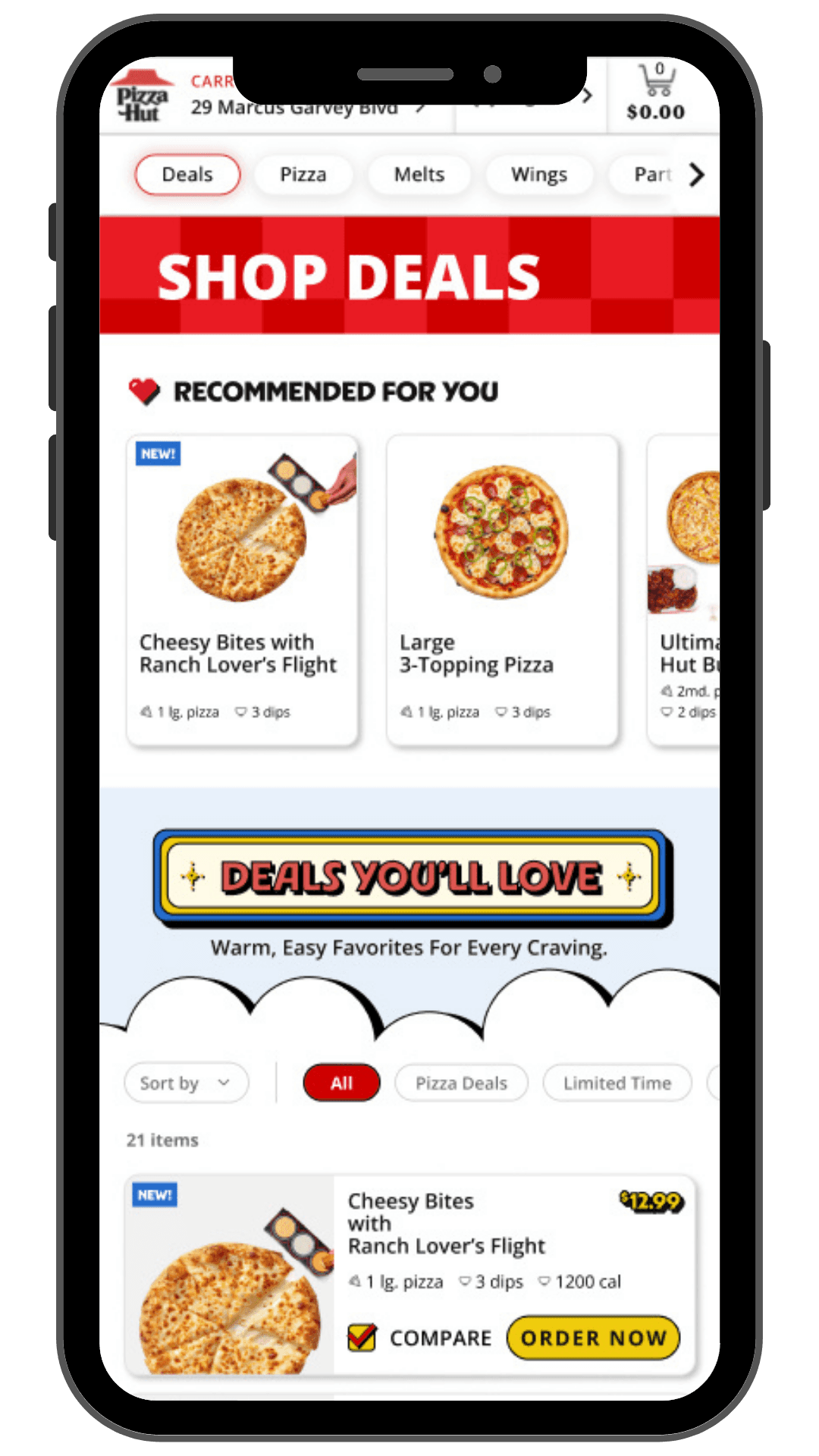
Bento Box

Carousel Prominence

Deal Propensity + Merchandising
03
THE CHALLENGE
Designing an Agentic Personal Style Operating System
Instead of one chatbot, I designed a network of specialized AI agents working together.
Each agent owns a different responsibility.
Identity Agent
Maintains a continuously evolving understanding of:
Kibbe-inspired silhouette preferences
color season analysis
visual proportions
contrast levels
fit preferences
aesthetic evolution
Rather than assigning rigid style labels, the agent updates its understanding over time as user behavior changes.
Taste Intelligence Agent
Learns from:
Pinterest boards
Instagram saves
moodboards
outfit likes
rejected recommendations
shopping behavior
Instead of asking users to complete lengthy quizzes, the system passively learns through visual behavior.
The result is a dynamic taste profile that evolves alongside the user.
Wardrobe Agent
Creates a living inventory of:
owned clothing
wear frequency
outfit combinations
category gaps
underutilized pieces
Rather than treating a wardrobe as storage, the agent treats it as a dynamic system.
This enables:
closet utilization insights
outfit generation
wardrobe gap analysis
purchase necessity scoring
Calendar Agent
One of the most compelling explorations within the project.
By integrating with calendar systems, the agent develops awareness of:
work meetings
speaking engagements
weddings
travel
vacations
social events
For example:
A user might have:
a speaking panel in Mexico City
a wedding in Austin
a birthday party in Lisbon
Rather than generating generic outfit recommendations, the system proactively prepares personalized outfit plans based on:
event context
weather forecasts
travel logistics
wardrobe inventory
personal style preferences
Users can further refine recommendations by adding contextual prompts:
"The event brand uses terracotta and cream."
"I want to appear more authoritative."
"There will be outdoor networking."
The system incorporates these constraints into its decision-making process.
Outfit Planning Agent
Generates:
daily outfit recommendations
travel packing plans
occasion-based styling
weather-aware combinations
The objective isn't simply creating attractive outfits.
The objective is helping users feel prepared and confident.
Shopping Agent
Perhaps the most unconventional part of the system.
Most commerce platforms are designed to maximize purchasing behavior.
The Shopping Agent is designed to challenge it.
Before recommending a purchase, the agent evaluates:
wardrobe compatibility
outfit versatility
usage likelihood
overlap with existing items
long-term value
In many cases, the recommendation becomes:
Don't buy this.
or
You already own three pieces that fulfill the same role.
This reframes the system from a sales engine into a decision-support tool.
Resale Agent
To further support intentional consumption, the platform explores integration with secondhand marketplaces.
When a user identifies a desired item, the agent searches for:
pre-owned alternatives
similar silhouettes
archived versions
resale opportunities
Rather than optimizing exclusively for retail transactions, the system encourages more sustainable purchasing behavior.
Confidence Agent
Tracks outcomes after purchases and outfit recommendations.
The agent continuously learns through feedback loops such as:
Did you wear it?
Did it fit?
How did it make you feel?
Would you wear it again?
Did you receive compliments?
Did you feel confident?
This creates a style memory system that moves beyond transactions and begins understanding emotional outcomes.
Together they continuously understand:
wardrobe inventory
calendar
weather
travel
lifestyle
body type
color palette
budget
shopping history
Rather than waiting for prompts, they proactively generate recommendations throughout the week.
Bento Box
Carousel Prominence
Deal Propensity + Merchandising
03
THE CHALLENGE
Designing an Agentic Personal Style Operating System
Instead of one chatbot, I designed a network of specialized AI agents working together.
Each agent owns a different responsibility.
Identity Agent
Maintains a continuously evolving understanding of:
Kibbe-inspired silhouette preferences
color season analysis
visual proportions
contrast levels
fit preferences
aesthetic evolution
Rather than assigning rigid style labels, the agent updates its understanding over time as user behavior changes.
Taste Intelligence Agent
Learns from:
Pinterest boards
Instagram saves
moodboards
outfit likes
rejected recommendations
shopping behavior
Instead of asking users to complete lengthy quizzes, the system passively learns through visual behavior.
The result is a dynamic taste profile that evolves alongside the user.
Wardrobe Agent
Creates a living inventory of:
owned clothing
wear frequency
outfit combinations
category gaps
underutilized pieces
Rather than treating a wardrobe as storage, the agent treats it as a dynamic system.
This enables:
closet utilization insights
outfit generation
wardrobe gap analysis
purchase necessity scoring
Calendar Agent
One of the most compelling explorations within the project.
By integrating with calendar systems, the agent develops awareness of:
work meetings
speaking engagements
weddings
travel
vacations
social events
For example:
A user might have:
a speaking panel in Mexico City
a wedding in Austin
a birthday party in Lisbon
Rather than generating generic outfit recommendations, the system proactively prepares personalized outfit plans based on:
event context
weather forecasts
travel logistics
wardrobe inventory
personal style preferences
Users can further refine recommendations by adding contextual prompts:
"The event brand uses terracotta and cream."
"I want to appear more authoritative."
"There will be outdoor networking."
The system incorporates these constraints into its decision-making process.
Outfit Planning Agent
Generates:
daily outfit recommendations
travel packing plans
occasion-based styling
weather-aware combinations
The objective isn't simply creating attractive outfits.
The objective is helping users feel prepared and confident.
Shopping Agent
Perhaps the most unconventional part of the system.
Most commerce platforms are designed to maximize purchasing behavior.
The Shopping Agent is designed to challenge it.
Before recommending a purchase, the agent evaluates:
wardrobe compatibility
outfit versatility
usage likelihood
overlap with existing items
long-term value
In many cases, the recommendation becomes:
Don't buy this.
or
You already own three pieces that fulfill the same role.
This reframes the system from a sales engine into a decision-support tool.
Resale Agent
To further support intentional consumption, the platform explores integration with secondhand marketplaces.
When a user identifies a desired item, the agent searches for:
pre-owned alternatives
similar silhouettes
archived versions
resale opportunities
Rather than optimizing exclusively for retail transactions, the system encourages more sustainable purchasing behavior.
Confidence Agent
Tracks outcomes after purchases and outfit recommendations.
The agent continuously learns through feedback loops such as:
Did you wear it?
Did it fit?
How did it make you feel?
Would you wear it again?
Did you receive compliments?
Did you feel confident?
This creates a style memory system that moves beyond transactions and begins understanding emotional outcomes.
Together they continuously understand:
wardrobe inventory
calendar
weather
travel
lifestyle
body type
color palette
budget
shopping history
Rather than waiting for prompts, they proactively generate recommendations throughout the week.
Research Findings
Project Overview
Approach & Research
Challenge
Execution
Results
Reflection
04
THE PIVOT

New Design Framework
04
THE PIVOT
04
THE PIVOT
New Design Framework
05
EXECUTION
Phase 1: Foundation
Rethinking Reviews Through Similarity Modeling
One opportunity I explored involved improving how users evaluate clothing before purchasing.
Traditional product reviews lack context.
For example:
"Runs large."
Large for whom?
The system instead prioritizes feedback from users with similar characteristics:
height
proportions
body shape
fit preferences
sizing history
This creates significantly more relevant purchase guidance and reduces uncertainty before checkout.
AI Trust Framework
A major focus of the project was trust calibration.
Many AI recommendation systems fail because they present outputs as facts.
I explored alternative approaches including:
Recommendation Explainability
Instead of:
Recommended for you
The system explains:
why it was chosen
what wardrobe gap it fills
how many existing outfits it unlocks
how confident the recommendation is
Human Override
Users remain in control through:
recommendation tuning
preference corrections
style direction adjustments
exploration settings
Confidence Scoring
Every recommendation includes a confidence score based on:
style alignment
wardrobe compatibility
historical success patterns
repeat-wear potential

Do
Show clear progress and what's happening

DoN'T
Avoid indefinite waiting
Do
Deliver the right help, in the flow

DoN'T
Avoid context switching
Do
Provide relevant, transparent guidance

DoN'T
Avoid generic, low-value suggestions
Do
Pass context and history to the agent
DoN'T
Avoid starting over
Do
Pass context and history to the agent
DoN'T
Avoid starting over
05
EXECUTION
Phase 1: Foundation
Rethinking Reviews Through Similarity Modeling
One opportunity I explored involved improving how users evaluate clothing before purchasing.
Traditional product reviews lack context.
For example:
"Runs large."
Large for whom?
The system instead prioritizes feedback from users with similar characteristics:
height
proportions
body shape
fit preferences
sizing history
This creates significantly more relevant purchase guidance and reduces uncertainty before checkout.
AI Trust Framework
A major focus of the project was trust calibration.
Many AI recommendation systems fail because they present outputs as facts.
I explored alternative approaches including:
Recommendation Explainability
Instead of:
Recommended for you
The system explains:
why it was chosen
what wardrobe gap it fills
how many existing outfits it unlocks
how confident the recommendation is
Human Override
Users remain in control through:
recommendation tuning
preference corrections
style direction adjustments
exploration settings
Confidence Scoring
Every recommendation includes a confidence score based on:
style alignment
wardrobe compatibility
historical success patterns
repeat-wear potential
Winning Variant
A
Featured-first hierarchy

Prioritized high-value offers with clearer hierarchy and deal summaries to improve first-glance comprehension.
B
Discovery-led browsing

Prioritized horizontal exploration and exploratory interaction patterns.
C
High-density comparison

Increased browsing breadth through a denser scanning (double column) layout.
D
Hybrid discovery system
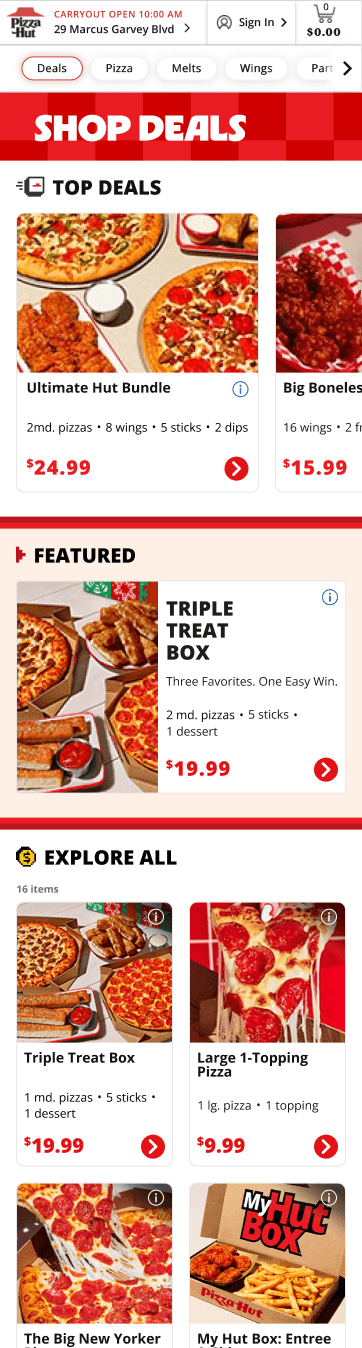
Combined carousel exploration with higher-density browsing behavior.
05
EXECUTION
Phase 1: Foundation
Rethinking Reviews Through Similarity Modeling
One opportunity I explored involved improving how users evaluate clothing before purchasing.
Traditional product reviews lack context.
For example:
"Runs large."
Large for whom?
The system instead prioritizes feedback from users with similar characteristics:
height
proportions
body shape
fit preferences
sizing history
This creates significantly more relevant purchase guidance and reduces uncertainty before checkout.
AI Trust Framework
A major focus of the project was trust calibration.
Many AI recommendation systems fail because they present outputs as facts.
I explored alternative approaches including:
Recommendation Explainability
Instead of:
Recommended for you
The system explains:
why it was chosen
what wardrobe gap it fills
how many existing outfits it unlocks
how confident the recommendation is
Human Override
Users remain in control through:
recommendation tuning
preference corrections
style direction adjustments
exploration settings
Confidence Scoring
Every recommendation includes a confidence score based on:
style alignment
wardrobe compatibility
historical success patterns
repeat-wear potential
Do
Show clear progress and what's happening
DoN'T
Avoid indefinite waiting
Do
Deliver the right help, in the flow
DoN'T
Avoid context switching
Do
Provide relevant, transparent guidance
DoN'T
Avoid generic, low-value suggestions
Do
Pass context and history to the agent
DoN'T
Avoid starting over
Do
Pass context and history to the agent
DoN'T
Avoid starting over
06
RESULTS
Before
After
Impact beyond Phase 1
The experiment established an experimentation framework the team could build on. Each following phase introduced one new behavioral hypothesis while preserving what had already been validated.
07
WHAT'S NEXT
This is where final designs would go!
Phase 1 -> Done
Behavioral Frameworks
The project ultimately became an exploration into behavioral commerce psychology.
Certainty vs Exploration
How might AI balance:
familiar recommendations
adjacent discovery
aspirational experimentation
without overwhelming users?
Aspiration vs Reality
Users often save outfits that don't align with what they actually wear.
I explored how AI might bridge that gap gradually rather than forcing dramatic style changes.
Purchase Confidence
Rather than optimizing for conversion, I explored a system optimized around:
How confident is this purchase decision?
New metrics emerged:
Purchase Confidence Score
Wardrobe Utilization
Cost Per Wear Projection
Style Alignment Score
Regret Risk
Phase 3
Phase 4
Phase 5
08
REFLECTION
Reflection
Styllo began as an exploration into AI-powered styling.
It evolved into a much larger question:
What if AI could help people make better decisions, not just better purchases?
The project challenged traditional assumptions around personalization, consumption, and recommendation systems.
Rather than optimizing for more shopping, the vision became helping people build wardrobes—and relationships with clothing—that feel more intentional, sustainable, and aligned with who they are.
In a future increasingly defined by AI agents, I believe the most valuable systems won't simply recommend.
They'll help people decide.
THINGS I BELIEVE NOW
02
APPROACH & USER RESEARCH
Starting with a hypothesis
I began with a simple assumption:
People don't actually need more clothing. They need help making better decisions with the clothing they already own.
Rather than validating whether people wanted another shopping app, I wanted to understand how they actually made wardrobe decisions throughout their week.
Everything competes equally for attention.
Users must open each builder to understand what’s included
Pricing lacks hierarchy; no anchor for value comparison
02
Tap to open deal
02
Back and forth
repeatedly
What’s
included?
Is this actually
a better deal?
How does it compare?
?
Users had to open multiple builders just to answer simple questions.
CLEANUP
Research & Discovery
To better understand how younger millennials and Gen Z consumers approach style, shopping, and AI, I conducted exploratory interviews with USC students and young professionals in Los Angeles.
While participants were curious about AI-powered styling, many expressed skepticism. They worried AI would feel generic, overly prescriptive, or diminish their individuality.
At the same time, several themes consistently emerged:
trend cycles move faster than ever
clothing is more expensive
closets are full, yet getting dressed remains difficult
social platforms create constant pressure to reinvent personal style
Sustainability wasn't enough motivation.
Nearly everyone wanted to consume less.
Very few were willing to sacrifice convenience.
The opportunity became making sustainable behavior the easiest behavior.
—-
One insight emerged consistently:
Consumers don't want AI to replace taste. They want AI to reduce uncertainty.
Participants were most excited by AI systems that could:
help them style what they already own
understand their evolving tastes
provide context-aware recommendations
act as collaborators rather than authorities
Interestingly, many described their style through aesthetics, internet trends, and cultural frameworks rather than traditional fashion categories. References ranged from "clean girl" and "Scandinavian minimalist" to "Venus sign dressing" and "cool girl at the gallery."
This revealed an opportunity to design for identity exploration, not just product discovery.
Then immediately go into:
Key Research Insights
Shopping has become emotionally exhausting
Consumers feel overwhelmed by choice, trend cycles, and disconnected purchases.
Style is increasingly tied to identity
Users describe themselves through aesthetics, moods, creators, and cultural references rather than fashion categories.
AI should guide, not dictate
Users wanted a collaborative partner that helps them make decisions, not an algorithm that makes decisions for them.
INITIAL HYPOTHESIS
Body
03
THE CHALLENGE
Designing an Agentic Personal Style Operating System
Instead of one chatbot, I designed a network of specialized AI agents working together.
Each agent owns a different responsibility.
Identity Agent
Maintains a continuously evolving understanding of:
Kibbe-inspired silhouette preferences
color season analysis
visual proportions
contrast levels
fit preferences
aesthetic evolution
Rather than assigning rigid style labels, the agent updates its understanding over time as user behavior changes.
Taste Intelligence Agent
Learns from:
Pinterest boards
Instagram saves
moodboards
outfit likes
rejected recommendations
shopping behavior
Instead of asking users to complete lengthy quizzes, the system passively learns through visual behavior.
The result is a dynamic taste profile that evolves alongside the user.
Wardrobe Agent
Creates a living inventory of:
owned clothing
wear frequency
outfit combinations
category gaps
underutilized pieces
Rather than treating a wardrobe as storage, the agent treats it as a dynamic system.
This enables:
closet utilization insights
outfit generation
wardrobe gap analysis
purchase necessity scoring
Calendar Agent
One of the most compelling explorations within the project.
By integrating with calendar systems, the agent develops awareness of:
work meetings
speaking engagements
weddings
travel
vacations
social events
For example:
A user might have:
a speaking panel in Mexico City
a wedding in Austin
a birthday party in Lisbon
Rather than generating generic outfit recommendations, the system proactively prepares personalized outfit plans based on:
event context
weather forecasts
travel logistics
wardrobe inventory
personal style preferences
Users can further refine recommendations by adding contextual prompts:
"The event brand uses terracotta and cream."
"I want to appear more authoritative."
"There will be outdoor networking."
The system incorporates these constraints into its decision-making process.
Outfit Planning Agent
Generates:
daily outfit recommendations
travel packing plans
occasion-based styling
weather-aware combinations
The objective isn't simply creating attractive outfits.
The objective is helping users feel prepared and confident.
Shopping Agent
Perhaps the most unconventional part of the system.
Most commerce platforms are designed to maximize purchasing behavior.
The Shopping Agent is designed to challenge it.
Before recommending a purchase, the agent evaluates:
wardrobe compatibility
outfit versatility
usage likelihood
overlap with existing items
long-term value
In many cases, the recommendation becomes:
Don't buy this.
or
You already own three pieces that fulfill the same role.
This reframes the system from a sales engine into a decision-support tool.
Resale Agent
To further support intentional consumption, the platform explores integration with secondhand marketplaces.
When a user identifies a desired item, the agent searches for:
pre-owned alternatives
similar silhouettes
archived versions
resale opportunities
Rather than optimizing exclusively for retail transactions, the system encourages more sustainable purchasing behavior.
Confidence Agent
Tracks outcomes after purchases and outfit recommendations.
The agent continuously learns through feedback loops such as:
Did you wear it?
Did it fit?
How did it make you feel?
Would you wear it again?
Did you receive compliments?
Did you feel confident?
This creates a style memory system that moves beyond transactions and begins understanding emotional outcomes.
Together they continuously understand:
wardrobe inventory
calendar
weather
travel
lifestyle
body type
color palette
budget
shopping history
Rather than waiting for prompts, they proactively generate recommendations throughout the week.
The concepts generated excitement but not measurable learning.
Each redesign introduced too many variants to test.
Impossible to isolate what actually drives results.
THE REFRAME
Body
Large Hero
Bento
Carousel
Deal Propensity
04
THE PIVOT
Title
05
EXECUTION
Phase 1: Foundation
Rethinking Reviews Through Similarity Modeling
One opportunity I explored involved improving how users evaluate clothing before purchasing.
Traditional product reviews lack context.
For example:
"Runs large."
Large for whom?
The system instead prioritizes feedback from users with similar characteristics:
height
proportions
body shape
fit preferences
sizing history
This creates significantly more relevant purchase guidance and reduces uncertainty before checkout.
Winning Variant
A
Featured-first hierarchy
Prioritized high-value offers with clearer hierarchy and deal summaries to improve first-glance comprehension.
B
Discovery-led browsing
Prioritized horizontal exploration and exploratory interaction patterns.
C
High-density comparison
Increased browsing breadth through a denser scanning (double column) layout.
D
Hybrid discovery system
Combined carousel exploration with higher-density browsing behavior.
AI Trust Framework
A major focus of the project was trust calibration.
Many AI recommendation systems fail because they present outputs as facts.
I explored alternative approaches including:
Recommendation Explainability
Instead of:
Recommended for you
The system explains:
why it was chosen
what wardrobe gap it fills
how many existing outfits it unlocks
how confident the recommendation is
Human Override
Users remain in control through:
recommendation tuning
preference corrections
style direction adjustments
exploration settings
Confidence Scoring
Every recommendation includes a confidence score based on:
style alignment
wardrobe compatibility
historical success patterns
repeat-wear potential
This is where final designs would go!
Behavioral Frameworks
The project ultimately became an exploration into behavioral commerce psychology.
Certainty vs Exploration
How might AI balance:
familiar recommendations
adjacent discovery
aspirational experimentation
without overwhelming users?
Aspiration vs Reality
Users often save outfits that don't align with what they actually wear.
I explored how AI might bridge that gap gradually rather than forcing dramatic style changes.
Purchase Confidence
Rather than optimizing for conversion, I explored a system optimized around:
How confident is this purchase decision?
New metrics emerged:
Purchase Confidence Score
Wardrobe Utilization
Cost Per Wear Projection
Style Alignment Score
Regret Risk
Winning Variant
A
Featured-first hierarchy
Prioritized high-value offers with clearer hierarchy and deal summaries to improve first-glance comprehension.
B
Discovery-led browsing
Prioritized horizontal exploration and exploratory interaction patterns.
C
High-density comparison
Increased browsing breadth through a denser scanning (double column) layout.
D
Hybrid discovery system
Combined carousel exploration with higher-density browsing behavior.
AI Trust Framework
A major focus of the project was trust calibration.
Many AI recommendation systems fail because they present outputs as facts.
I explored alternative approaches including:
Recommendation Explainability
Instead of:
Recommended for you
The system explains:
why it was chosen
what wardrobe gap it fills
how many existing outfits it unlocks
how confident the recommendation is
Human Override
Users remain in control through:
recommendation tuning
preference corrections
style direction adjustments
exploration settings
Confidence Scoring
Every recommendation includes a confidence score based on:
style alignment
wardrobe compatibility
historical success patterns
repeat-wear potential
07
WHAT'S NEXT
06
PHASE 1 RESULTS
Title
Key Insights
Reflection
Styllo began as an exploration into AI-powered styling.
It evolved into a much larger question:
What if AI could help people make better decisions, not just better purchases?
The project challenged traditional assumptions around personalization, consumption, and recommendation systems.
Rather than optimizing for more shopping, the vision became helping people build wardrobes—and relationships with clothing—that feel more intentional, sustainable, and aligned with who they are.
In a future increasingly defined by AI agents, I believe the most valuable systems won't simply recommend.
They'll help people decide.
THINGS I BELIEVE NOW
08
REFLECTION
02
APPROACH & USER RESEARCH
Starting with a hypothesis
I began with a simple assumption:
People don't actually need more clothing. They need help making better decisions with the clothing they already own.
Rather than validating whether people wanted another shopping app, I wanted to understand how they actually made wardrobe decisions throughout their week.
Everything competes equally for attention.
Users must open each builder to understand what’s included
Pricing lacks hierarchy; no anchor for value comparison
02
Tap to open deal
02
Back and forth
repeatedly
What’s
included?
Is this actually
a better deal?
How does it compare?
?
Users had to open multiple builders just to answer simple questions.
CLEANUP
Research & Discovery
To better understand how younger millennials and Gen Z consumers approach style, shopping, and AI, I conducted exploratory interviews with USC students and young professionals in Los Angeles.
While participants were curious about AI-powered styling, many expressed skepticism. They worried AI would feel generic, overly prescriptive, or diminish their individuality.
At the same time, several themes consistently emerged:
trend cycles move faster than ever
clothing is more expensive
closets are full, yet getting dressed remains difficult
social platforms create constant pressure to reinvent personal style
Sustainability wasn't enough motivation.
Nearly everyone wanted to consume less.
Very few were willing to sacrifice convenience.
The opportunity became making sustainable behavior the easiest behavior.
—-
One insight emerged consistently:
Consumers don't want AI to replace taste. They want AI to reduce uncertainty.
Participants were most excited by AI systems that could:
help them style what they already own
understand their evolving tastes
provide context-aware recommendations
act as collaborators rather than authorities
Interestingly, many described their style through aesthetics, internet trends, and cultural frameworks rather than traditional fashion categories. References ranged from "clean girl" and "Scandinavian minimalist" to "Venus sign dressing" and "cool girl at the gallery."
This revealed an opportunity to design for identity exploration, not just product discovery.
Then immediately go into:
Key Research Insights
Shopping has become emotionally exhausting
Consumers feel overwhelmed by choice, trend cycles, and disconnected purchases.
Style is increasingly tied to identity
Users describe themselves through aesthetics, moods, creators, and cultural references rather than fashion categories.
AI should guide, not dictate
Users wanted a collaborative partner that helps them make decisions, not an algorithm that makes decisions for them.
INITIAL HYPOTHESIS
Body
03
THE CHALLENGE
Designing an Agentic Personal Style Operating System
Instead of one chatbot, I designed a network of specialized AI agents working together.
Each agent owns a different responsibility.
Identity Agent
Maintains a continuously evolving understanding of:
Kibbe-inspired silhouette preferences
color season analysis
visual proportions
contrast levels
fit preferences
aesthetic evolution
Rather than assigning rigid style labels, the agent updates its understanding over time as user behavior changes.
Taste Intelligence Agent
Learns from:
Pinterest boards
Instagram saves
moodboards
outfit likes
rejected recommendations
shopping behavior
Instead of asking users to complete lengthy quizzes, the system passively learns through visual behavior.
The result is a dynamic taste profile that evolves alongside the user.
Wardrobe Agent
Creates a living inventory of:
owned clothing
wear frequency
outfit combinations
category gaps
underutilized pieces
Rather than treating a wardrobe as storage, the agent treats it as a dynamic system.
This enables:
closet utilization insights
outfit generation
wardrobe gap analysis
purchase necessity scoring
Calendar Agent
One of the most compelling explorations within the project.
By integrating with calendar systems, the agent develops awareness of:
work meetings
speaking engagements
weddings
travel
vacations
social events
For example:
A user might have:
a speaking panel in Mexico City
a wedding in Austin
a birthday party in Lisbon
Rather than generating generic outfit recommendations, the system proactively prepares personalized outfit plans based on:
event context
weather forecasts
travel logistics
wardrobe inventory
personal style preferences
Users can further refine recommendations by adding contextual prompts:
"The event brand uses terracotta and cream."
"I want to appear more authoritative."
"There will be outdoor networking."
The system incorporates these constraints into its decision-making process.
Outfit Planning Agent
Generates:
daily outfit recommendations
travel packing plans
occasion-based styling
weather-aware combinations
The objective isn't simply creating attractive outfits.
The objective is helping users feel prepared and confident.
Shopping Agent
Perhaps the most unconventional part of the system.
Most commerce platforms are designed to maximize purchasing behavior.
The Shopping Agent is designed to challenge it.
Before recommending a purchase, the agent evaluates:
wardrobe compatibility
outfit versatility
usage likelihood
overlap with existing items
long-term value
In many cases, the recommendation becomes:
Don't buy this.
or
You already own three pieces that fulfill the same role.
This reframes the system from a sales engine into a decision-support tool.
Resale Agent
To further support intentional consumption, the platform explores integration with secondhand marketplaces.
When a user identifies a desired item, the agent searches for:
pre-owned alternatives
similar silhouettes
archived versions
resale opportunities
Rather than optimizing exclusively for retail transactions, the system encourages more sustainable purchasing behavior.
Confidence Agent
Tracks outcomes after purchases and outfit recommendations.
The agent continuously learns through feedback loops such as:
Did you wear it?
Did it fit?
How did it make you feel?
Would you wear it again?
Did you receive compliments?
Did you feel confident?
This creates a style memory system that moves beyond transactions and begins understanding emotional outcomes.
Together they continuously understand:
wardrobe inventory
calendar
weather
travel
lifestyle
body type
color palette
budget
shopping history
Rather than waiting for prompts, they proactively generate recommendations throughout the week.
The concepts generated excitement but not measurable learning.
Each redesign introduced too many variants to test.
Impossible to isolate what actually drives results.
THE REFRAME
Body
Large Hero
Bento
Carousel
Deal Propensity
04
THE PIVOT
Title
05
EXECUTION
Phase 1: Foundation
Rethinking Reviews Through Similarity Modeling
One opportunity I explored involved improving how users evaluate clothing before purchasing.
Traditional product reviews lack context.
For example:
"Runs large."
Large for whom?
The system instead prioritizes feedback from users with similar characteristics:
height
proportions
body shape
fit preferences
sizing history
This creates significantly more relevant purchase guidance and reduces uncertainty before checkout.
Winning Variant
A
Featured-first hierarchy
Prioritized high-value offers with clearer hierarchy and deal summaries to improve first-glance comprehension.
B
Discovery-led browsing
Prioritized horizontal exploration and exploratory interaction patterns.
C
High-density comparison
Increased browsing breadth through a denser scanning (double column) layout.
D
Hybrid discovery system
Combined carousel exploration with higher-density browsing behavior.
AI Trust Framework
A major focus of the project was trust calibration.
Many AI recommendation systems fail because they present outputs as facts.
I explored alternative approaches including:
Recommendation Explainability
Instead of:
Recommended for you
The system explains:
why it was chosen
what wardrobe gap it fills
how many existing outfits it unlocks
how confident the recommendation is
Human Override
Users remain in control through:
recommendation tuning
preference corrections
style direction adjustments
exploration settings
Confidence Scoring
Every recommendation includes a confidence score based on:
style alignment
wardrobe compatibility
historical success patterns
repeat-wear potential
This is where final designs would go!
Behavioral Frameworks
The project ultimately became an exploration into behavioral commerce psychology.
Certainty vs Exploration
How might AI balance:
familiar recommendations
adjacent discovery
aspirational experimentation
without overwhelming users?
Aspiration vs Reality
Users often save outfits that don't align with what they actually wear.
I explored how AI might bridge that gap gradually rather than forcing dramatic style changes.
Purchase Confidence
Rather than optimizing for conversion, I explored a system optimized around:
How confident is this purchase decision?
New metrics emerged:
Purchase Confidence Score
Wardrobe Utilization
Cost Per Wear Projection
Style Alignment Score
Regret Risk
Winning Variant
A
Featured-first hierarchy
Prioritized high-value offers with clearer hierarchy and deal summaries to improve first-glance comprehension.
B
Discovery-led browsing
Prioritized horizontal exploration and exploratory interaction patterns.
C
High-density comparison
Increased browsing breadth through a denser scanning (double column) layout.
D
Hybrid discovery system
Combined carousel exploration with higher-density browsing behavior.
AI Trust Framework
A major focus of the project was trust calibration.
Many AI recommendation systems fail because they present outputs as facts.
I explored alternative approaches including:
Recommendation Explainability
Instead of:
Recommended for you
The system explains:
why it was chosen
what wardrobe gap it fills
how many existing outfits it unlocks
how confident the recommendation is
Human Override
Users remain in control through:
recommendation tuning
preference corrections
style direction adjustments
exploration settings
Confidence Scoring
Every recommendation includes a confidence score based on:
style alignment
wardrobe compatibility
historical success patterns
repeat-wear potential
07
WHAT'S NEXT
06
PHASE 1 RESULTS
Title
Key Insights
Reflection
Styllo began as an exploration into AI-powered styling.
It evolved into a much larger question:
What if AI could help people make better decisions, not just better purchases?
The project challenged traditional assumptions around personalization, consumption, and recommendation systems.
Rather than optimizing for more shopping, the vision became helping people build wardrobes—and relationships with clothing—that feel more intentional, sustainable, and aligned with who they are.
In a future increasingly defined by AI agents, I believe the most valuable systems won't simply recommend.
They'll help people decide.
THINGS I BELIEVE NOW
08
REFLECTION
Next Project
X min.
X min.
X min.
X min.
X min.

Case Study 01
CRO
A/B Testing
Pizza Hut - Deals Page Optimization
Redesigned Pizza Hut's deals page to improve promotion discovery, deal comprehension, and increase conversion.
text
X min.
X min.
X min.
X min.
X min.
Case Study 01
SaaS UX
B2B
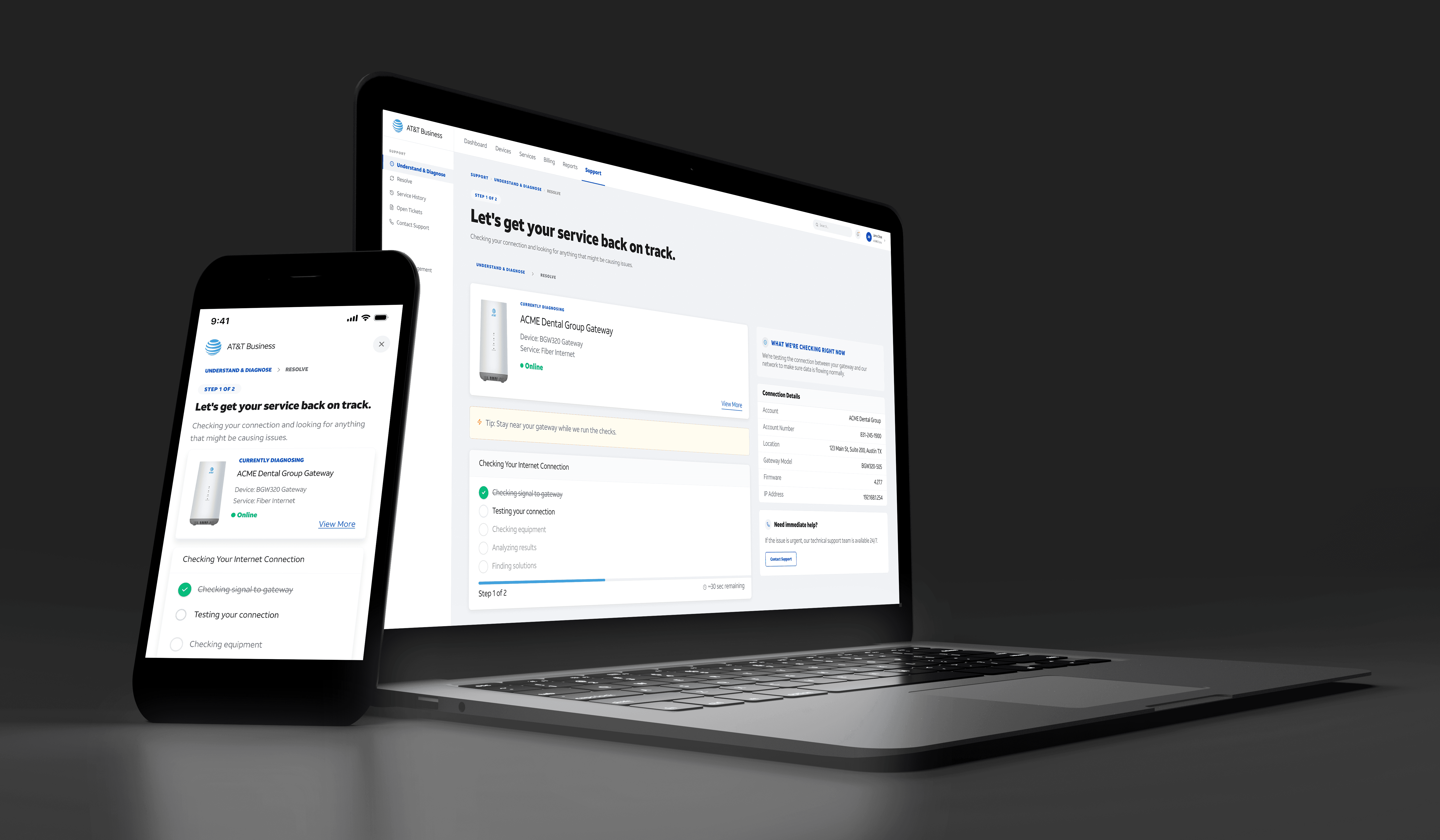
AT&T Business - AI Incident Management
Rebuilding trust in AI-assisted self-service support during AT&T Business's ServiceNow transformation.
text
X min.
X min.
X min.
X min.
X min.
Case Study 01
Agentic AI
Fashion Tech
Styllo - Agentic Wardrobe Assistant
Designing an AI-native personal styling platform that optimizes for better wardrobe decisions, not bigger shopping carts.
text
X min.
X min.
X min.
X min.
X min.

Case Study 01
Design Systems
Enterprise UX
Pizza Hut - Store Management System
Building the store operational system that enabled 6,800+ Pizza Hut restaurants to transition from a legacy platform to a modern operational ecosystem.
text
Next Project
X min.
X min.
X min.
X min.
X min.
Case Study 01
CRO
A/B Testing
Pizza Hut - Deals Page Optimization
Redesigned Pizza Hut's deals page to improve promotion discovery, deal comprehension, and increase conversion.
text
X min.
X min.
X min.
X min.
X min.
Case Study 01
SaaS UX
B2B
AT&T Business - AI Incident Management
Rebuilding trust in AI-assisted self-service support during AT&T Business's ServiceNow transformation.
text
X min.
X min.
X min.
X min.
X min.
Case Study 01
Agentic AI
Fashion Tech
Styllo - Agentic Wardrobe Assistant
Designing an AI-native personal styling platform that optimizes for better wardrobe decisions, not bigger shopping carts.
text
X min.
X min.
X min.
X min.
X min.
Case Study 01
Design Systems
Enterprise UX
Pizza Hut - Store Management System
Building the store operational system that enabled 6,800+ Pizza Hut restaurants to transition from a legacy platform to a modern operational ecosystem.
text
Next Project
X min.
X min.
X min.
X min.
X min.
Case Study 01
CRO
A/B Testing
Pizza Hut - Deals Page Optimization
Redesigned Pizza Hut's deals page to improve promotion discovery, deal comprehension, and increase conversion.
text
X min.
X min.
X min.
X min.
X min.
Case Study 01
SaaS UX
B2B
AT&T Business - AI Incident Management
Rebuilding trust in AI-assisted self-service support during AT&T Business's ServiceNow transformation.
text
X min.
X min.
X min.
X min.
X min.
Case Study 01
Agentic AI
Fashion Tech
Styllo - Agentic Wardrobe Assistant
Designing an AI-native personal styling platform that optimizes for better wardrobe decisions, not bigger shopping carts.
text
X min.
X min.
X min.
X min.
X min.
Case Study 01
Design Systems
Enterprise UX
Pizza Hut - Store Management System
Building the store operational system that enabled 6,800+ Pizza Hut restaurants to transition from a legacy platform to a modern operational ecosystem.
text
Next Project
X min.
X min.
X min.
X min.
X min.
Case Study 01
CRO
A/B Testing
Pizza Hut - Deals Page Optimization
Redesigned Pizza Hut's deals page to improve promotion discovery, deal comprehension, and increase conversion.
text
X min.
X min.
X min.
X min.
X min.
Case Study 01
SaaS UX
B2B
AT&T Business - AI Incident Management
Rebuilding trust in AI-assisted self-service support during AT&T Business's ServiceNow transformation.
text
X min.
X min.
X min.
X min.
X min.
Case Study 01
Agentic AI
Fashion Tech
Styllo - Agentic Wardrobe Assistant
Designing an AI-native personal styling platform that optimizes for better wardrobe decisions, not bigger shopping carts.
text
X min.
X min.
X min.
X min.
X min.
Case Study 01
Design Systems
Enterprise UX
Pizza Hut - Store Management System
Building the store operational system that enabled 6,800+ Pizza Hut restaurants to transition from a legacy platform to a modern operational ecosystem.
text